
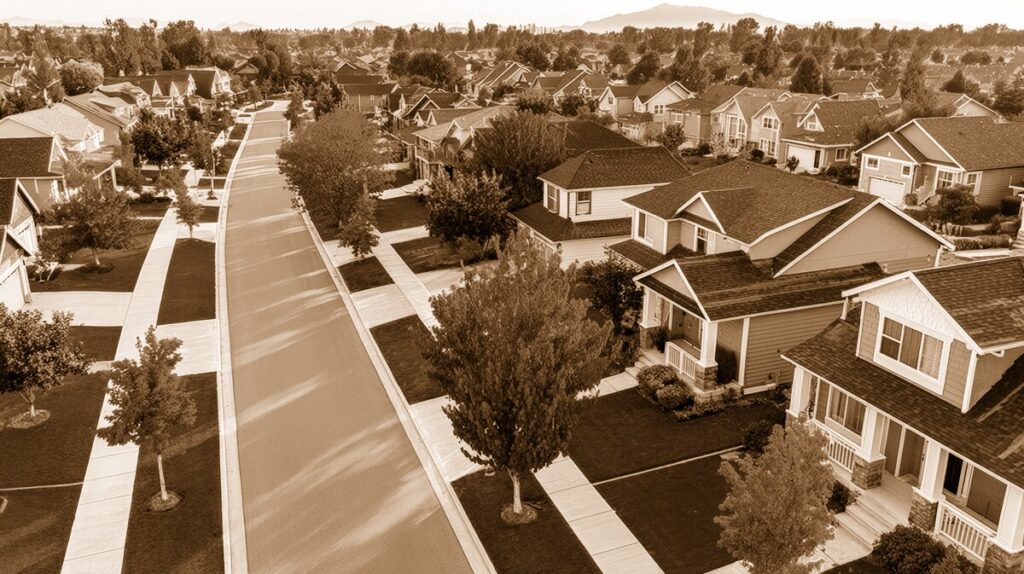
Nestled on Buffalo’s northeast side, Starin Central is a neighborhood that welcomes you with tree-lined streets, classic American homes, and a warmth that can only be described as quintessentially Buffalo. For longtime residents and curious newcomers alike, Starin Central is more than just a collection of streets—it's a living storybook of the city’s past, shaped by decades of growth, community, and pride.
Origins: How Starin Central Got Its Name
The origins of Starin Central are woven into the growth of Buffalo during the early 20th century. The neighborhood derives its name from Starin Avenue, which itself was a tribute to John H. Starin, a prominent 19th-century entrepreneur and philanthropist who made significant contributions to upstate New York. As Buffalo expanded beyond its downtown core, the land between Main Street and the railroad tracks to the north presented a prime opportunity for development, and by the 1920s, Starin Central’s foundations were being laid.
Early Days: Foundations and Flourishing
The development of Starin Central paralleled Buffalo’s own explosive growth at the turn of the century, driven by industry, railroads, and an influx of immigrants seeking better lives. The area’s grid was mapped out north to south by Starin Avenue and bordered east-west by Linden Avenue and Colvin Avenue. Early residents were often skilled tradesmen and city professionals, drawn by the proximity to downtown, good schools, and reliable transportation.
During the 1920s and 1930s, architects and builders gave the neighborhood its signature look, with charming Craftsman bungalows, sturdy American Foursquares, and stately Tudor Revivals lining the streets. Houses here were built to last, and many original facades and porches are lovingly maintained even today. The leafy canopy—thanks to decades-old oaks and maples—is a legacy of community tree-planting efforts that began in the Depression era.
Milestones in Starin Central’s Story
Throughout the 20th century, Starin Central mirrored Buffalo’s own highs and lows:
- Great Depression and WWII: Starin Central saw both hardship and solidarity during these years. Victory gardens sprouted in backyard lots, and block clubs organized drives for war bonds and civil defense.
- Postwar Boom: The neighborhood grew rapidly after World War II. Row after row of single-family homes filled in the remaining open lots, while nearby Hertel Avenue became a thriving commercial strip.
- Civil Rights and Change: The 1960s and 70s brought demographic shifts and new opportunities. Starin Central’s schools, churches, and synagogues became a patchwork reflecting Buffalo’s diverse population.
- Revitalization: Beginning in the 1990s, waves of young families and urban professionals rediscovered Starin Central, drawn by its historic homes and walkable blocks.
Landmarks and Institutions
Starin Central boasts several beloved landmarks and institutions that define its character and carry its legacy forward:
- Allendale Theater (203 Allen Street): While just south of Starin Central’s borders, this local theater’s history is closely intertwined with the neighborhood, serving generations of families with community performances and children’s programs.
- Shoshone Park: Located along Linden Avenue, this green space is the heart of neighborhood gatherings. For decades, Shoshone Park has been the site of summer concerts, Little League games, and evening strolls beneath its stately old trees.
- Buffalo Public Schools: Neighborhood children attend nearby PS 66 North Park Academy, founded in the early 20th century. The tradition of strong public schools is a point of neighborhood pride.
- Faith Institutions: St. Joseph University Parish on Main Street, with its tall spire and vibrant congregation, has been a cornerstone of Starin Central since the 1920s, complementing nearby synagogues and serving as a gathering place for families of all backgrounds.
- Central Park Plaza (the “Plaza”): Once a bustling mid-century shopping center at Main and Amherst, the Plaza’s history is sometimes bittersweet. Though many original businesses are gone, its memory persists in neighborhood lore, and revitalization efforts hint at a bright future.
Streets With a Story
Starin Central’s streets evoke a tangible sense of history. Starin Avenue, the neighborhood’s namesake, anchors the community. Streets such as Sanders Road and Taunton Place are lined with homes that bear the patina of nearly a century. Walkers will admire period details: leaded glass, carriage porches, and broad front lawns where community children still gather.
At the boundaries, Colvin Avenue offers quick access to Delaware Park and the historic Buffalo Zoo—a weekend ritual for countless local families. Main Street, once traversed by streetcars, remains a vital commercial and transit corridor, connecting Starin Central to the city’s core.
The Neighborhood Today: A Living Legacy
Modern Starin Central is a testament to the resilience and warmth of Buffalo’s neighborhoods. New generations continue to invest in historic properties, with many homes hosting architectural tours or garden walks every spring. Community associations foster a spirit of involvement, organizing everything from block party BBQs to neighborhood clean-ups. Residents young and old will tell you the same thing: Starin Central’s charm isn’t just in its architecture or leafy streets, but in the way neighbors look out for one another.
The strong sense of community, combined with affordable homes, vibrant parks, and easy access to the city’s best amenities, makes Starin Central a perennial favorite among Buffalo’s neighborhoods. Whether you’re drawn by its storied past, its welcoming present, or the promise of its future, one thing is clear: Starin Central isn’t just a place to live—it's a piece of Buffalo’s living history.